
What Is Modular Housing? Understanding ISO Shipping Containers and Steel-Based Modular Construction
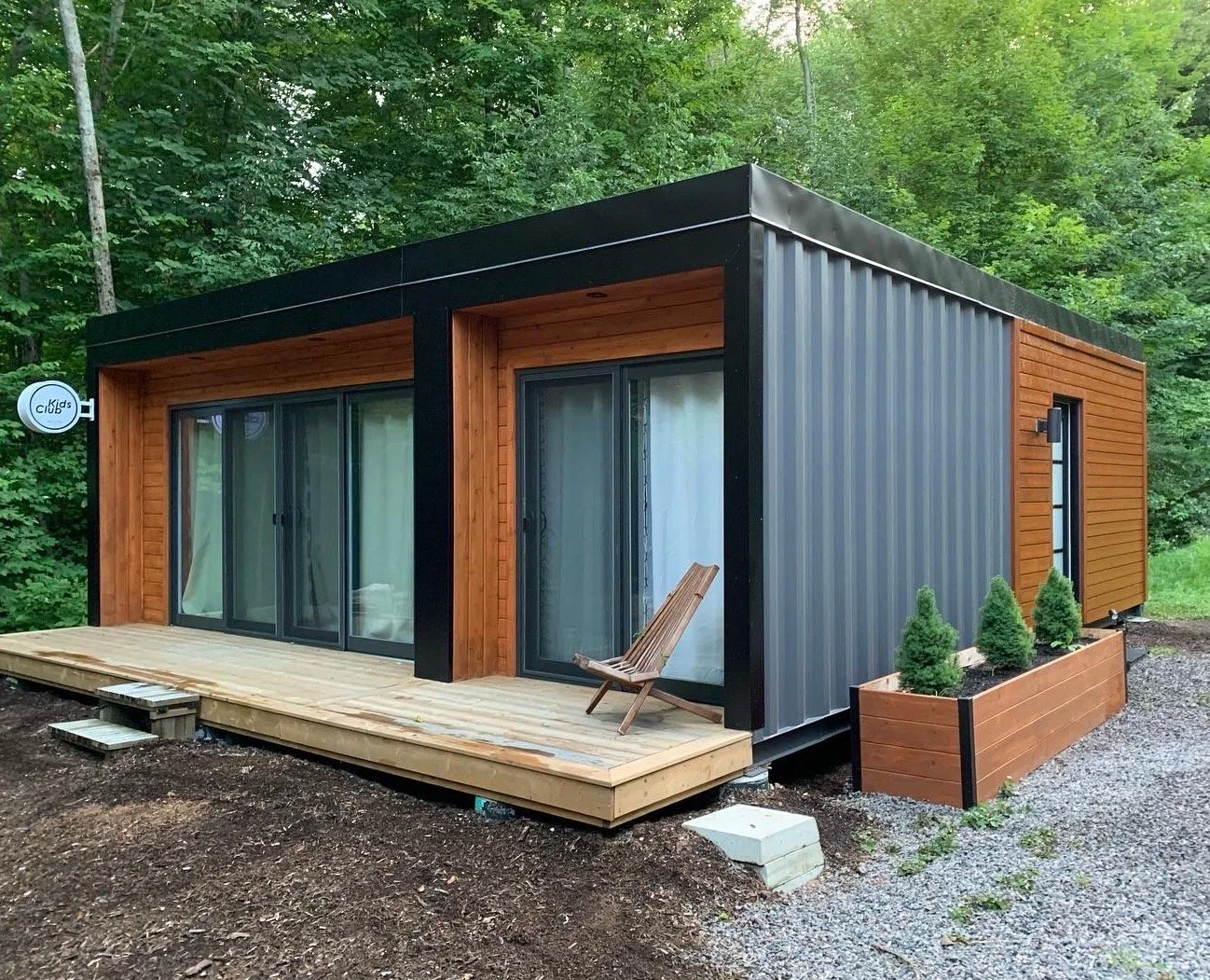
Introduction
As Canada continues to face a housing supply and affordability crisis, modular housing has emerged as a proven, scalable solution. Yet, many people still ask the same question:
What does “modular” actually mean?
At Ballance Containers, modular housing refers to our use of two complementary construction systems:
ISO shipping container–based modules
Custom-built steel-framed modular units
Both systems are factory-built, code-compliant, and designed for permanent residential and multi-storey buildings—from backyard ADUs to mid-rise affordable housing developments.
This article explains what modular housing is, how these two systems work, and why municipalities, developers, and homeowners are increasingly adopting them.
What Is Modular Construction?
Modular construction is a method where building components—or entire volumetric units—are manufactured in a controlled factory environment and then transported to site for installation.
Unlike temporary or mobile structures, modular buildings are:
Permanent
Built to the same building codes as conventional construction
Installed on permanent foundations
Designed for long-term durability and occupancy
The key difference is where and how the building is constructed, not the final quality or lifespan.
Two Types of Modular Systems Used by Ballance
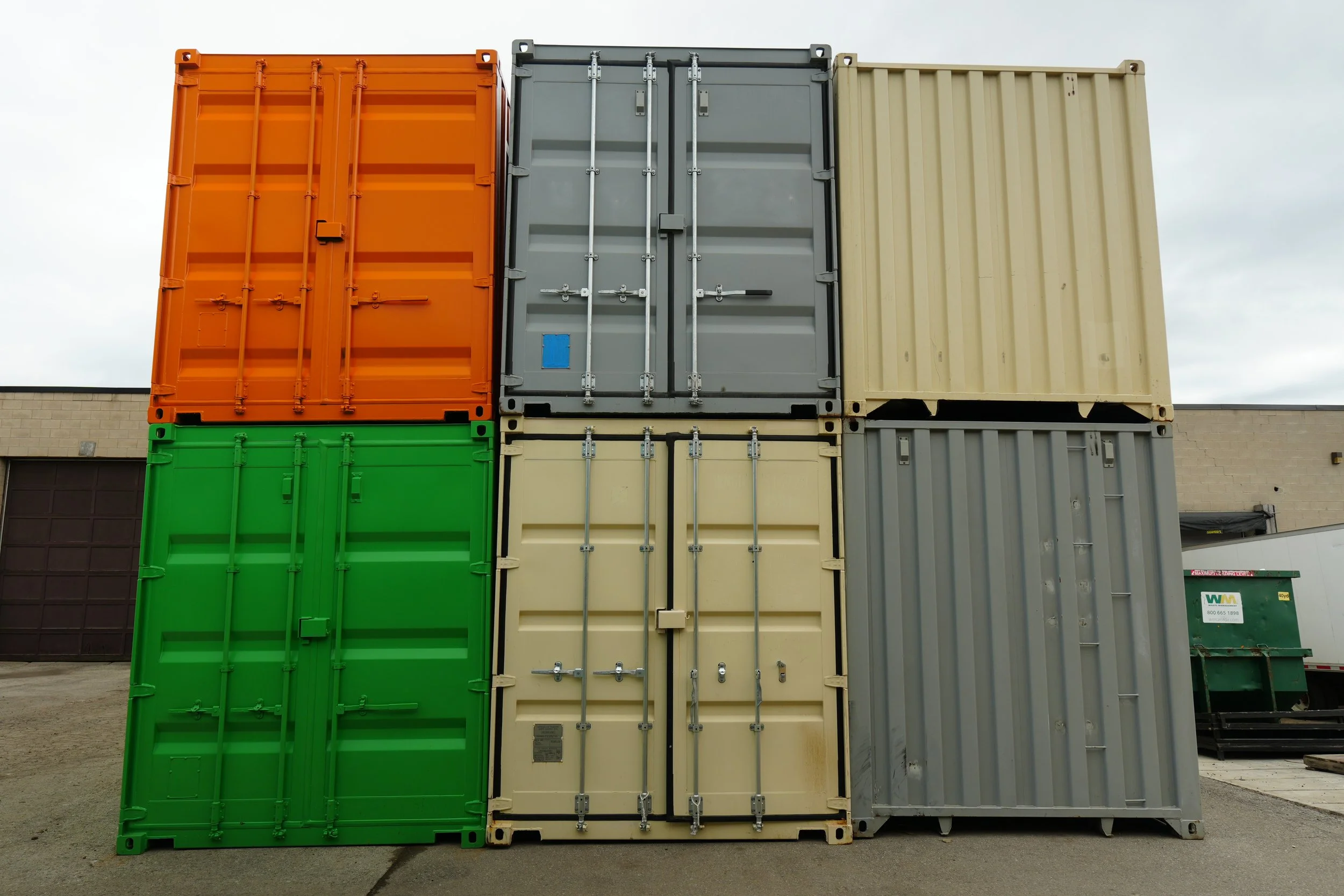
1. ISO Shipping Container Modular Construction
ISO shipping containers are standardized steel structures originally designed to withstand extreme conditions at sea. When repurposed for housing, they provide a strong, modular steel chassis ideal for repeatable design.
Key characteristics:
High structural strength
Consistent dimensions for efficient stacking and transport
Ideal for ADUs, laneway homes, primary homes, and smaller multi-unit buildings
Containers are often used where speed, repeatability, and structural efficiency are priorities.
2. Custom Steel-Based Modular Units
Custom steel modular systems use engineered steel frames built specifically for residential or mixed-use buildings. These modules are not limited to container dimensions and allow for greater design flexibility.
Key characteristics:
Larger spans and custom layouts
Ideal for multi-storey and multi-unit residential
Easier integration of elevators, stairs, and corridors
Optimized for affordable housing, missing middle, and mid-rise developments
This system is often preferred when projects require larger units, varied floor plans, or increased architectural freedom.
How Modular Construction Works
1.Design & Engineering
Units are designed to comply with local zoning, building code, and energy requirements.
Modules can be repeated across multiple sites or projects.
2.Factory Fabrication
Structural framing, insulation, MEP systems, windows, and finishes are installed indoors.
Quality control is consistent and documented following CSA A660 & CSA A277 certified processes.
3.Site Preparation
Foundations and services are completed while modules are built off-site.
4.Transportation & Installation
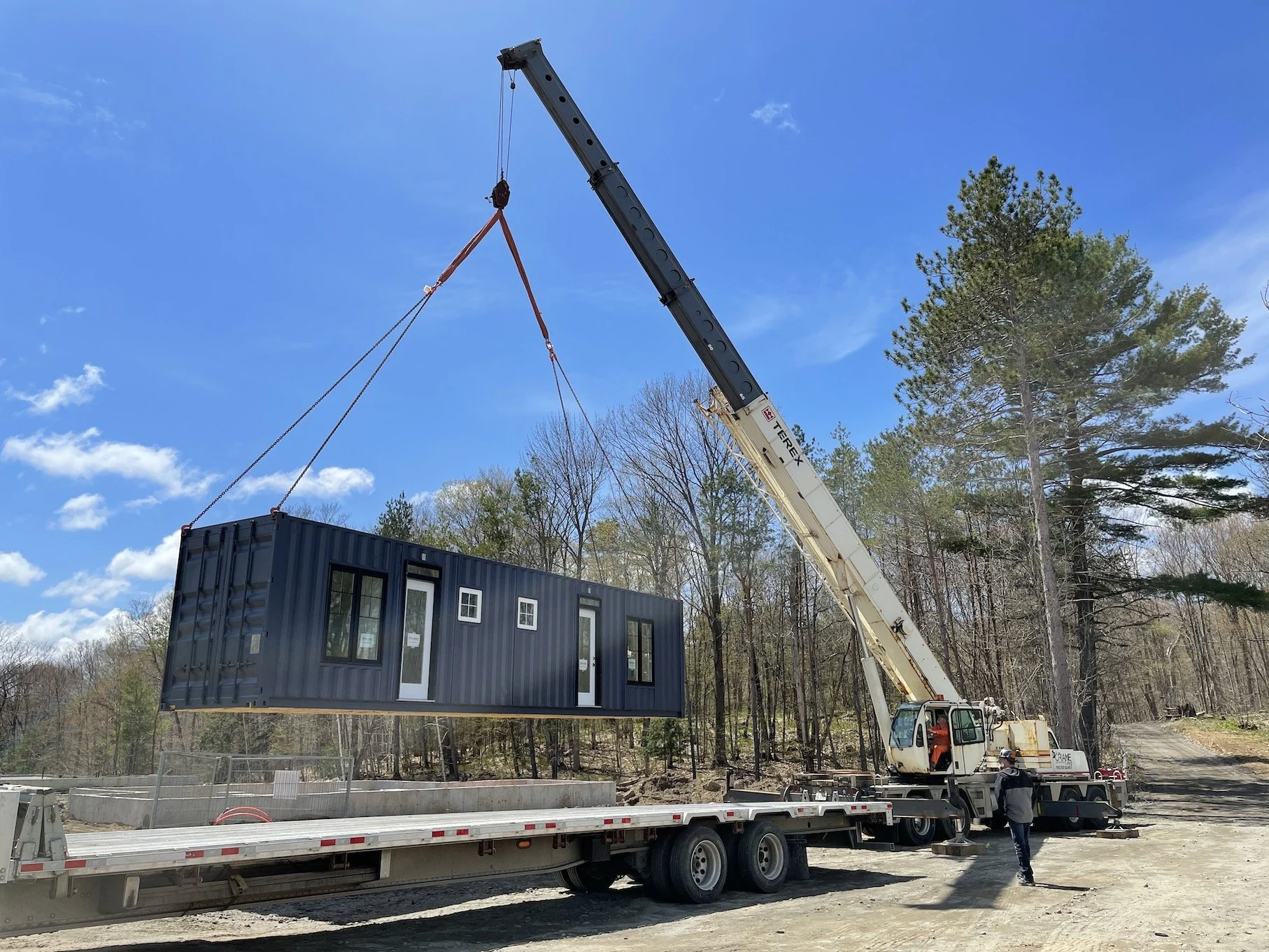
Modules are delivered and installed using cranes.
Final connections and commissioning occur on site.
This parallel workflow of factory fabrication and site preparation is what allows modular projects to be delivered significantly faster than traditional builds.
Why Modular Housing Is Gaining Momentum in Canada
For homeowners, modular offers:
Faster ADU/Home turn-key delivery
Predictable pricing
Reduced disruption to neighbours
For developers, modular provides:
Shorter construction schedules
Lower on-site costs (security, insurance and land holding costs)
Repeatable designs that scale across multiple sites
For municipalities and non-profits, modular enables:
Rapid delivery of affordable housing
Better cost certainty
Cleaner, quieter construction in dense urban areas
Is Modular Housing Permanent and Code-Compliant?
Yes. Modular buildings:
Meet or exceed local building codes
Are designed for 50+ year lifespans
Can be stacked multiple storeys
Integrate fully with conventional foundations and servicing
In Ontario and other provinces, modular construction is often certified under CSA A277, ensuring factory-built quality and code compliance.
Conclusion
Modular housing is not a single product—it’s a construction strategy.
Whether using ISO shipping containers or custom steel-based modules, modular construction offers Canada a faster, smarter way to deliver:
ADUs and laneway homes
Missing middle housing
Multi-unit and multi-storey affordable housing
At Ballance, we deploy the right modular system for the right project, ensuring flexibility, compliance, and long-term value.